Widow’s Bay Ending Explained & Spoilers alert !
Honestly, I fully expected the historical lore of Widow’s Bay to be an absolute drag, but the truth behind the island’s creation is messed up in the best way possible. You look at the history books, and they label Richard Warren as this pioneer hero with unflinching perseverance who established a colony in the 1600s. The actual reality? The island was barren, the first winter was completely devastating, and the settlers resorted to cannibalism just to survive. After starvation set in, Warren stumbled across some weird mushrooms in the winter, ate them, and basically made a deal with the devil… well, rather the island personified, in exchange for their salvation. It demanded sacrifices. Anyone born there was cursed to remain, and if you tried to leave the island, you would perish. Warren gets granted immortality, but he basically becomes a middle manager for this entity. He had to serve up food for it and hit his targets.
Failure to hit those targets meant plagues and otherworldly horrors being unleashed on everyone.
The entire foundation of this place is built upon sacrifice, with tunnels and torture chambers lying just beneath the surface. Then we jump to 1702, which introduces Sarah Westcroft. She is a 40-year-old spinster who comes to marry Warren sight unseen. It’s basically Married at First Sight but in the olden days. She quickly finds out Richard’s previous wife died under mysterious circumstances, and his own son admits that Richard murdered his mother. A conspiracy sprouts on the island; the townspeople realize he isn’t just consorting with the devil—he is the devil. So, they bury him alive. Because of the immortality thing, it doesn’t work out well for him. He just stays conscious down there in the dark coffin forever.
And you thought being buried alive was bad.
Sarah takes the kids and flees that fateful night. While the kids start to become infected upon passing the water barriers around Widow’s Bay, Richard’s daughter actually floats back to land. We get hints of this in a museum picture showing a young girl gripping a box in the water, which leads to descendants and eventually a woman named Ruth in the present day.
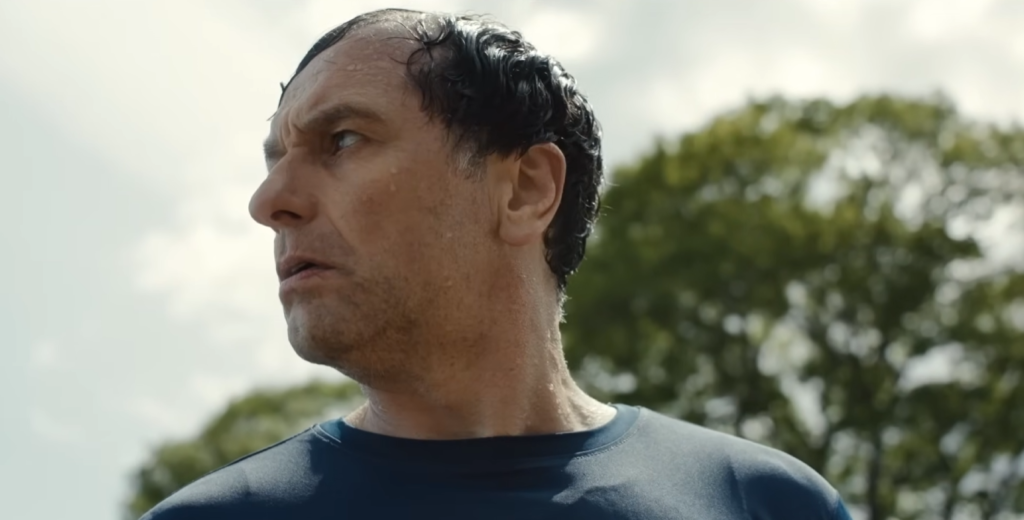
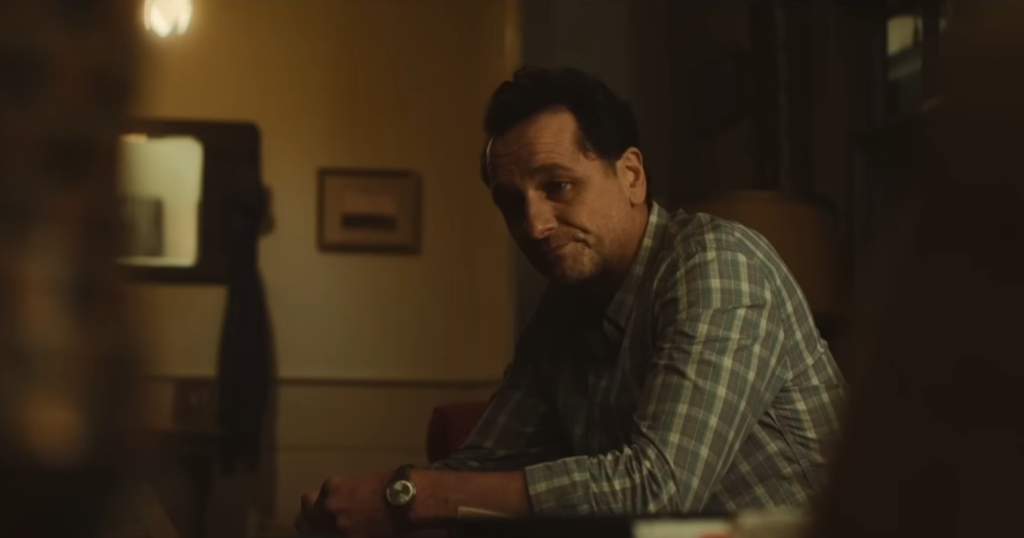
Jump to the present day, and this whole mess falls squarely into the lap of Mayor Tom Loftess. Tom is absolutely desperate to turn this cursed rock into the next Martha’s Vineyard, right as the New York Times shows up to write a feature piece on them. At first glance, he feels exactly like that greedy, oblivious mayor from Jaws… wait, actually, that’s not fair at all. Tom genuinely cares about his constituents. When a local fisherman named Wick proves the old folklore is real, Tom faces this insane moral dilemma: does he scare off the tourists and ruin the town economically, or does he ignore it and let the curse slaughter everyone? Personally, I love how showrunner Katie Dippold handles this. She leans heavily into Stephen King vibes, specifically Salem’s Lot and Storm of the Century. Wick even explicitly calls the town a “haunt,” exactly like Derry in It. A haunt isn’t just a place with ghosts; it’s a place where predators hunt.
It works perfectly.
The standalone episodes are where the show just goes completely off the rails in the best way. Tom decides to spend a night at the Breakwater Inn, which is supposedly cursed. He meets a guy named William who goes on this unhinged rant about letting the backwards, small-brained towny hicks burn in hell. Tom then goes down into a crawl space and gets attacked by a killer clown. It screams Pennywise mixed with John Wayne Gacy. The next morning? He checks the security cameras and sees he was completely alone the entire time. The innkeeper Kurt just blames Tom’s terrifying visions on black mold. Sure, buddy.
Then there’s the Sea Hag.
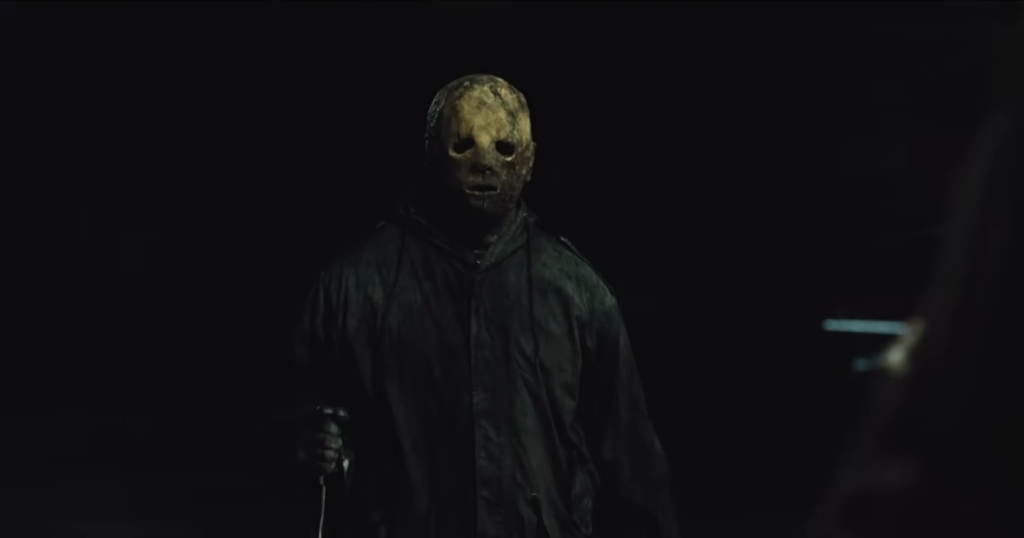
She scratches Tom in the night to mark her prey, building off the town’s grim history of fishermen lost to treacherous waters. It absolutely killed me when Tom flips his chair, runs to the bathtub, and Wick just blasts the hag John Wick style—pa-pow! We also get Patricia’s sunset cocktail party that leans hard into the history of the Salem witch trials, plus a slow-moving, knife-wielding Bogeyman who acts as a direct stand-in for Michael Myers. Honestly, sitting through the endless Halloween reboots makes me want to scream, but this show nails the homage. I swear this series feels like it was made just for me.
The finale is where they completely pull the rug out from under you. We learn that Tom’s wife went blind and fell into a catatonic state simply because she tried to leave the island. Tom becomes convinced that killing a woman named Ruth will finally end the curse, so he heads to her house. Here is the massive twist: Ruth actually had a child, proving that the pull-out method just doesn’t work. Ruth reveals that Tom’s dead wife was actually her daughter, which makes Tom’s son, Evan, the true descendant of Richard Warren. I swear I called it early on… well, actually I just knew the curse would remain because they announced season two, but they still got me.
When Tom arrives to kill Ruth, she is just this incredibly nice lady walking on a treadmill with a fully stacked calendar. It’s a brutal trolley quandary.
Would you kill a sweet old lady to save a town? In the end, Sheriff Clemens is the one who actually pulls the trigger and kills Ruth to protect his own pregnant wife. Tom just plays dumb about his son being the final descendant. The storm clears, and it seems like they are saved, but then the bell ominously tolls eight times. They need eight more sacrifices. Someone named Kenny gets killed in what has to be a “They killed Kenny” reference. The entity feeding on the town likes the taste of fear, giving major Pennywise vibes, while the hotel stuff screams The Shining and the shelter orientation videos are straight out of the Dharma Initiative from Lost.
The biggest Easter egg is Ruth’s family heirloom, which belonged to Sarah back in 1702. Tom literally tosses it into the bay exactly like the old lady dropping the Heart of the Ocean at the end of Titanic. He is accepting his grim reality and hiding the bloodline connection to protect his kid. His leadership is entirely rooted in selfishness, which honestly, you can totally understand. I know I say it all the time, but Apple is pound-for-pound the best streaming service right now, and with Matthew Rhys at the center, Widow’s Bay is an absolute blast.
My only real issue? The episodes just aren’t bloody long enough.
Widow’s Bay Ending Explained FAQ: Answering the Internet’s Biggest Questions
To ensure this analysis is utterly comprehensive, here are the direct, definitive answers to the web’s most pressing questions regarding the finale’s intricate lore.
Q: Is Evan Loftis the true descendant of Richard Warren?A: Yes. The finale delivers a staggering twist when Ruth reveals she gave birth to a secret daughter out of wedlock. That daughter was Lauren (Tom’s late wife), making Evan the direct biological grandson of Ruth and the final heir to the cursed Warren bloodline. Evan can never leave the island.
Q: Did Ruth Livingston die in the finale?
A: No. Despite Tom poisoning her tea with a lethal mix of crushed medications, and Sheriff Bechir shooting her point-blank, Ruth’s sheer resilience prevails, and she remarkably survives.
Q: Why did the apocalyptic storm suddenly stop?
A: The storm did not end because the Warren bloodline was severed. It stopped because a museum staff member, Kenny, was accidentally locked inside the subterranean sacrificial chamber by the teenagers and was consumed by the entity. This blood sacrifice temporarily satiated the island.
Q: What is the meaning behind the eight church bell tolls at the end?
A: According to the secret orientation films discovered by Dale, the island’s demonic pact operates on a strict quota: “one soul for each bell toll.” The eight tolls indicate that the entity is demanding eight new human sacrifices from the town, confirming the curse is still highly active.
Q: Who has been maintaining the island’s sacrifices for 300 years?
A: The 16mm film reels prove that a secret, organized committee of townspeople has been consciously selecting victims and offering them to the entity for generations to keep the town safe and prosperous.
Q: How did Frances Warren survive the curse in 1702?
A: When Frances fell overboard into the Dead Zone, her stepmother Sarah threw her a wooden box to cling to. Frances miraculously survived, washed ashore, and was taken in by a wealthy local whaler named Barnabas Fisher, obscuring her cursed bloodline behind the Fisher surname for centuries.
Q: What happened to Todd O’Connor (The Shaman)?
A: While attempting to gather his gear during the storm, Todd was violently sucked up into the supernatural cyclone, proving the lethal, indiscriminate nature of the island’s weather event.
Q: Why can’t people leave Widow’s Bay?
A: The island’s entity acts as a geographical parasite. If a native-born resident crosses the maritime boundary (“Dead Zone”), the curse initiates a rapid physiological breakdown (strokes, blindness). The island effectively keeps the population as a captive food source.
Q: Did Tom’s wife really die in childbirth?
A: No. When Lauren was pregnant with Evan, she and Tom attempted to escape via ferry. As they crossed the boundary, the curse attacked her, causing a massive stroke. Tom was forced to institutionalize her in the island’s psychiatric facility, where she died years later. Tom lied to protect Evan from the reality that they are perpetual prisoners.
Q: Who is the Boogeyman in Widow’s Bay?
A: He is a masked serial killer who massacred teenage girls decades prior. His unmasked identity remains unrevealed, making him a “force of nature.” The island resurrected him in Episode 8 specifically to hunt Patricia in retaliation for Richard Warren’s death.
Q: Is Widow’s Bay a supernatural show or sci-fi?
A: It brilliantly straddles the line. It leans into supernatural folk-horror (demonic pacts, ghosts), but has underlying elements of biological sci-fi. The black mushrooms act as a psychoactive agent that alters human DNA and perception, operating in the liminal space between ancient magic and biological anomaly.
Read also: A Good Girl’s Guide to Murder Ending Explained: Shocking Netflix Cast & Hidden Facts