If you are looking for a definitive A Good Girl’s Guide to Murder Season 2 ending explained, you must first understand the anatomy of this modern true-crime television masterpiece. The contemporary television landscape is frequently saturated with genre-blending experiments, yet few achieve the delicate, razor-thin equilibrium required to sustain both genuine, atmospheric thriller tension and character-driven drama.
Premiering its highly anticipated sophomore run on May 27, 2026, across Netflix and the BBC, the six-episode series has rapidly ascended the ranks of streaming supremacy. Adapting Holly Jackson’s critically acclaimed literary sequel, Good Girl, Bad Blood, the show brilliantly transitions from a localized, insular high school EPQ project into a sprawling, suffocating psychological thriller characterized by life-or-death stakes.
By merging the relentless investigative pacing of a true-crime podcast with the deeply personal trauma of its young protagonists, the series presents a narrative architecture that is as engaging as it is deeply harrowing. The series operates on a foundational premise of extreme moral ambiguity: what happens to a teenage girl when she realizes the legal system is designed to protect wealthy predators, and that exposing the truth might just get innocent people killed?
This exhaustive analytical report provides a comprehensive breakdown of the second season. By synthesizing every narrative clue, character arc, hidden cast secret, and the complex psychological underpinnings of the show, we provide definitive explanations for the show’s most ambiguous twists, including the chilling identity of Child Brunswick, the fate of Jamie Reynolds, and the devastating, controversial courtroom finale.
Is Jamie Dead in A Good Girl’s Guide to Murder?
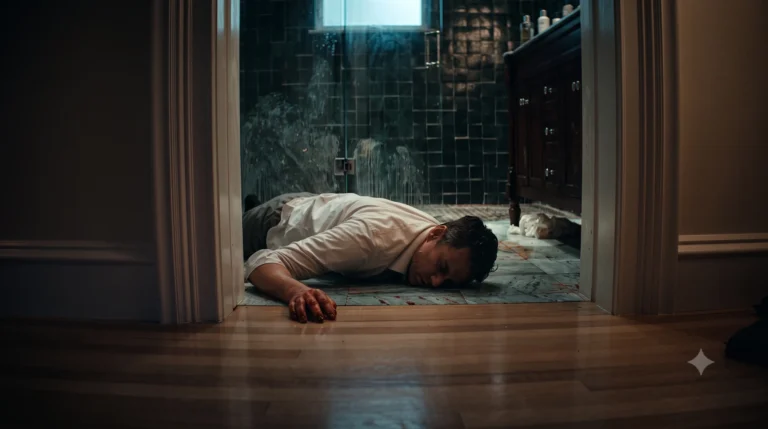
The central mystery of this season revolves around the sudden and terrifying disappearance of Jamie Reynolds. Naturally, fans are terrified that the story will take a dark turn. So, is Jamie dead? Fortunately, no. Pip’s relentless investigation leads her to his location just in time. While he survives the harrowing ordeal, the psychological toll of what he went through is extremely heavy, making his rescue a bittersweet victory rather than a purely happy ending.
Does Max Hastings Go to Jail in Season 2?
One of the most frustrating and emotionally charged storylines is the trial of Max Hastings. After everything he put his victims through, viewers are constantly asking: does Max Hastings finally go to jail? In a shocking twist that perfectly reflects the devastating flaws in the justice system, Max actually manages to avoid prison. The “not guilty” verdict is a massive blow to Pip and the survivors. It is a highly controversial moment that shatters Pip’s belief in the legal system and serves as the dark catalyst that pushes her moral compass into much grayer territory moving forward.
Who is Child Brunswick? The Dark Secret Revealed
As the investigation deepens, the haunting moniker “Child Brunswick” keeps surfacing, linking the current events to a notorious past serial killer. So, who is the real Child Brunswick? The shocking reveal uncovers that it is actually Stanley Forbes. He is the son of the original Brunswick killer, forced to live under a completely hidden identity to escape the shadow of his father’s dark legacy. Unfortunately, his desperate attempt to keep this secret buried leads to a tragic and fatal confrontation.
Who is Layla Mead?
A crucial piece of the puzzle in Season 2 involves the mysterious identity of Layla Mead. If you are wondering who Layla Mead is, she isn’t actually a real person at all. Layla Mead is revealed to be a fake online persona—a catfish profile created specifically to lure and trap victims. Discovering the true identity of the person operating the Layla Mead account is the major turning point that helps Pip crack the entire case wide open.
The Creative Architecture and Tone
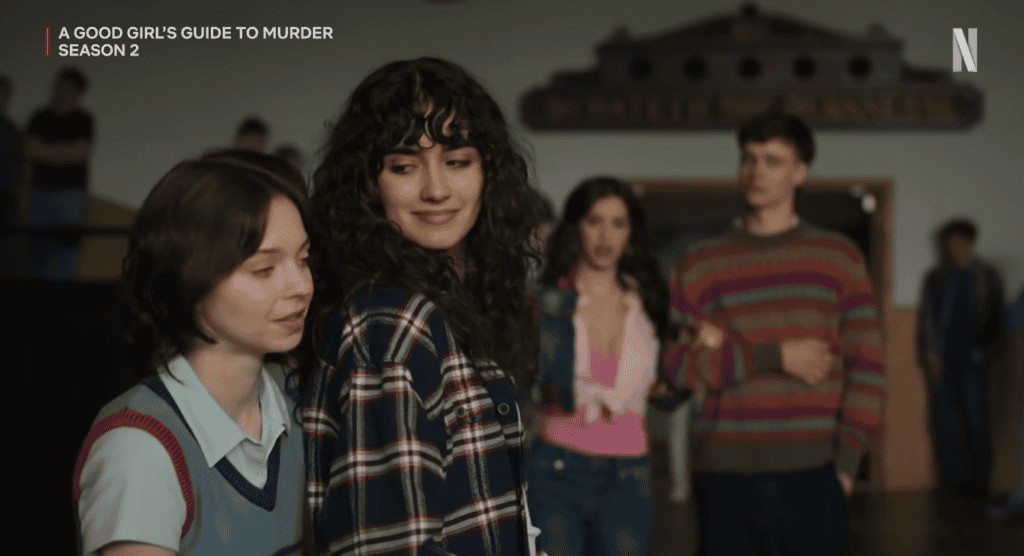
To fully appreciate the nuanced storytelling of this season, one must examine the creative evolution from Season 1. The inaugural season operated within a relatively safe framework: Pip Fitz-Amobi (Emma Myers) investigating a closed, five-year-old murder case to exonerate the deceased Sal Singh. However, Season 2 entirely strips away that safety net.
The tone is noticeably darker, bleaker, and more cynical. The horror is cerebral, treating each systemic failure of justice as a carefully constructed punchline that leaves the audience unsettled. When Pip attempts to return to a normal life and focus on her viral podcast, she quickly discovers that her previous investigation merely opened old wounds, turning her best friend Cara Ward into a town pariah. The show’s brilliance lies in its refusal to let the teen-drama elements undermine the genuine psychological terror of its central mystery.
Comprehensive Cast and Character Dynamics
The phenomenal success of the series is inextricably linked to its ensemble cast. The series demands a highly specific tonal calibration, requiring actors to oscillate seamlessly between youthful innocence and primal trauma. Interestingly, to maintain the illusion of a high school setting, casting directors hired highly experienced actors, creating a surprising disparity between real-life ages and fictional counterparts.
The following table details the primary cast, their real ages at the time of the 2026 release, and their profound narrative functions within the overarching mythology:
| Actor Name | Character | Actor Age | Narrative Function and Psychological Profile |
|---|---|---|---|
| Emma Myers | Pip Fitz-Amobi | 24 | The relentless teenage sleuth. Her arc transforms her from a lawful-good citizen into a cynical antihero willing to embrace vigilantism when the courts fail her. |
| Zain Iqbal | Ravi Singh | 26 | Pip’s partner and romantic interest. He serves as the emotional anchor, consistently attempting to pull Pip back from the brink of total obsession. |
| Henry Ashton | Max Hastings | 33 | The overarching antagonist. Insulated by extreme generational wealth, Max is a sociopathic predator whose courtroom trial exposes the fatal flaws of the justice system. |
| Eden H. Davies | Jamie Reynolds | 20s | The catalyst of Season 2. A troubled musician whose sudden disappearance forces Pip back into the detective game. |
| Misia Butler | Stanley Forbes | 20s | The local reporter/security guard hiding an unimaginably dark past. He operates as the tragic centerpiece of the Brunswick serial killer mythology. |
| Jack Rowan | Charlie Green | 20s | Pip’s unassuming, fresh-faced neighbor. His friendly demeanor masks a lifetime of festering grief and a relentless thirst for blood vengeance. |
The Catalyst of Corruption: The Trial of Max Hastings
The central, driving conflict of the sophomore season hinges on the impending, highly publicized criminal trial of Max Hastings. Max is scheduled to stand trial for multiple sexual assaults, most notably the drugging and assault of Becca Bell at an underground “Calamity Party”.
The courtroom scenes serve as a brutal, unfiltered deconstruction of the modern justice system. Max’s family wields their immense financial power like a blunt weapon, executing a sophisticated campaign of witness intimidation. They successfully leverage corporate connections to strip Ravi of his prestigious legal internship, attempting to break the duo’s spirit.
Despite Becca Bell bravely taking the stand, the highly-paid defense attorney aggressively dismantles her credibility by highlighting her current prison sentence for her accidental role in her sister Andie’s death. When Pip attempts to submit a secret audio recording of Max confessing to the crimes, the judge rules it completely inadmissible due to digital tampering (Pip had edited the file to protect a friend’s hit-and-run secret).
The horrifying climax of this arc occurs when Max, betraying his own mother’s pleas for a guilty plea, takes the stand and commits blatant perjury. He looks the jury in the eye and blames the deceased Sal Singh for the string of assaults. Because the prosecution’s star eyewitness, Jamie Reynolds, is missing, the jury delivers a devastating blow: Max Hastings is found not guilty on all charges.
An Exhaustive Timeline: The Disappearance of Jamie Reynolds
The thriller mechanics of the season are propelled by the baffling vanishing of Jamie Reynolds on the exact night of the memorial marking the sixth anniversary of Andie and Sal’s deaths. Pip must untangle a rigid, deceptive timeline:
- 8:00 PM: Pip sees an agitated, sweating Jamie at the memorial. He engages in a hushed argument with Nat Da Silva regarding his potential relapse into ketamine addiction.
- 10:00 PM: Crowdsourced video footage reveals Jamie wandering through an illicit Calamity Party, aggressively confronting a student named Ruby, mistakenly calling her “Ila” or “Layla”.
- 11:30 PM: Max Hastings abruptly leaves his mother’s opulent birthday dinner to buy illegal drugs at a remote train station.
- 12:45 AM: Jamie’s cell phone signal permanently cuts out.
The Digital Hunt: Unmasking the “Layla Mead” Catfish
Operating under the assumption that Max Hastings orchestrated a kidnapping, Pip dives into digital forensics. She and Connor bypass the encryption on Jamie’s laptop (using backward spellings of song titles) to discover Jamie was consumed by a secretive online relationship with a woman named “Layla Mead”.
The profile is a highly specific, dangerous trap. “Layla” utilized stolen photographs and specifically targeted white males exactly 29 years of age within the Little Kilton radius. The catfish possessed a distinct operational pattern: the moment a matched man revealed his profession as a police officer or teacher, Layla immediately ghosted them. They were hunting for a very specific individual hiding in plain sight.
When Pip accesses Jamie’s synced smartwatch biometric data, the terror escalates. By isolating his exact GPS steps on the night he vanished, they map his route to an abandoned train station. However, the biometric data reveals a horrifying anomaly: at the very end of the sequence, Jamie’s recorded heart rate abruptly and permanently drops to zero.
The Darkest Reveal: The Tragedy of Child Brunswick
The most profound narrative pivot occurs when the series shifts focus from Max’s entitlement to a horrific, decades-old cold case involving an infamous serial killer.
Who is Stanley Forbes?
Early in the season, Pip interacts with Stanley Forbes (Misia Butler), a seemingly naive local guard. However, the final episodes peel back his identity, revealing that Stanley is actually the notorious “Child Brunswick”.
Two decades earlier, a sadistic serial killer named Scott Brunswick terrorized the region. Scott utilized his own young son to approach victims, using the boy’s innocent demeanor to lure children away from safety and into his clutches. Following Scott’s capture, the boy—who testified against his own father—served a custodial sentence before entering a stringent witness protection program. He underwent multiple identity changes (including the alias David Knight) before settling as Stanley Forbes.
Stanley was the ultimate victim of severe, systemic child abuse. He was thoroughly rehabilitated and harbored deep, crippling remorse for the actions he was coerced into committing as a terrified child. He isn’t a threat; he is a man desperately seeking peace.
The True Identity of Layla Mead
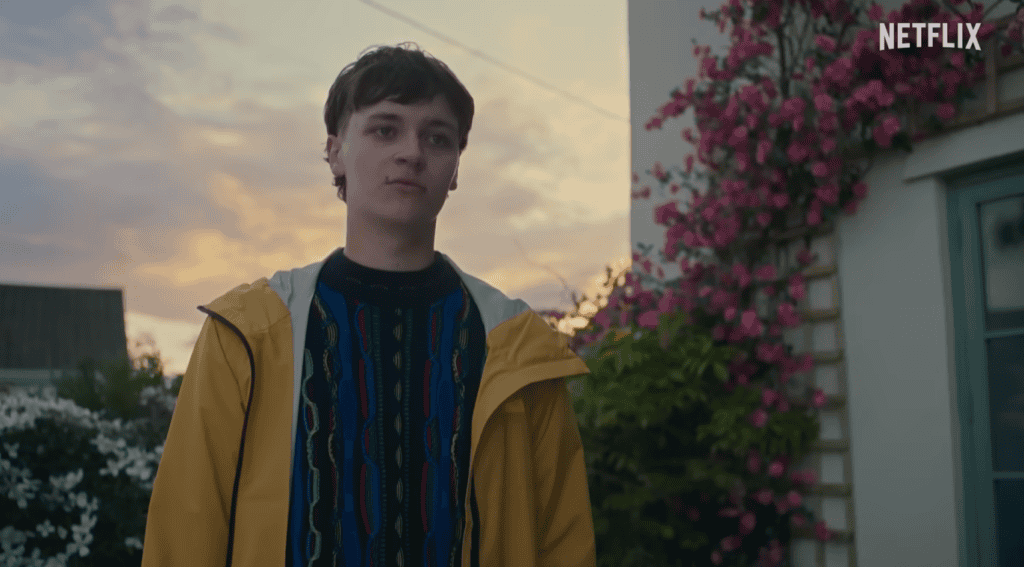
If Stanley is Child Brunswick, who created the Layla Mead catfish? The mastermind is revealed to be Charlie Green (Jack Rowan), Pip’s exceedingly friendly, unassuming neighbor.
Decades ago, a young Charlie and his identical twin sister, Emily, were approached by a young Child Brunswick for a game of hide-and-seek. When Charlie closed his eyes, Stanley lured Emily away to be slaughtered by Scott Brunswick. Consumed by a crippling, lifelong survivor’s guilt, Charlie dedicated his adulthood to hunting down Child Brunswick. He crafted the Layla persona—using his wife Flora to provide the voice—specifically targeting 29-year-old men.
Charlie manipulated the lovestruck Jamie Reynolds, claiming Layla needed £900 for brain cancer treatments, and ordered Jamie to assassinate his target. When Jamie attacked Stanley, Stanley easily overpowered the teenager. However, recognizing Jamie was merely a pawn, Stanley refused to harm him. He locked Jamie safely in his cellar to protect him while he tried to uncover Layla’s true identity.
The Tragic Climax at the Manor
The finale reaches a blistering, emotionally exhausting climax. Pip orchestrates a dangerous sting operation to draw out Layla, which inadvertently leads heavily armed Charlie straight to Stanley’s hideout at an abandoned manor.
Despite Pip’s tearful pleas regarding Stanley’s lack of agency as an abused child, Charlie remains utterly unswayed. Driven by decades of festering grief, Charlie executes Stanley in cold blood to avenge his sister. As the manor goes up in flames, Pip drags Stanley’s heavily bleeding body outside. In a visceral sequence mirroring the season’s opening, Pip frantically performs CPR, screaming for him to live. In his final breaths, Stanley reveals his true name, Jack Brunswick, before dying in Pip’s arms.
The Aftermath: Justice Denied and Moral Compromise
The twin, catastrophic failures—failing to legally convict the monstrous Max Hastings and failing to save the redeemed Stanley Forbes—push Pip to her absolute psychological breaking point. The narrative aggressively strips away her youthful idealism.
Taking justice firmly into her own hands, Pip crosses the line into full-blown vigilantism. She releases the unedited, damning audio recording of Max’s confession onto her viral podcast, permanently destroying his public reputation. She then physically attacks Max’s property, hurling a rock through his window and painting “Rapist, I will get you” across his door.
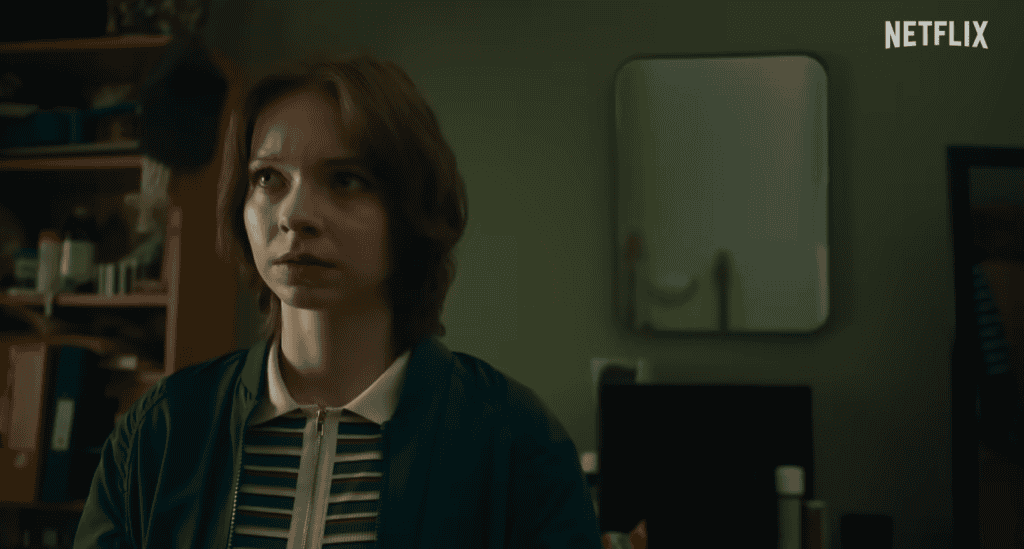
The season concludes on a chilling, ominous note. While Pip and Ravi share a tender, romantic moment , Pip returns to her bedroom to discover a terrifying breach of her sanctuary. Her laptop illuminates with a live-typing Google Doc message: “Who will look for you when you’re the one who disappears?”. With Charlie and his wife Flora still actively on the run, and Max harboring a deep vendetta, the psychological thriller elements are firmly entrenched for a highly anticipated third season adaptation.
Book vs. Show: The Complex Adaptation of Good Girl, Bad Blood
Adapting a beloved literary property always invites intense scrutiny. Holly Jackson’s novel Good Girl, Bad Blood is deeply complex, but the television adaptation makes several notable, highly debated deviations from the source material to suit the visual medium.
Eliminated Characters and Shifted Dynamics
- The Erasure of Ant Lowe: In the novels, Ant is a recurring member of the core friend group. In the series, he is entirely removed. Instead, the show introduces Robin Hastings (Max’s cousin) as a love interest for Lauren, artificially injecting tension by having Max order Robin to steal Pip’s phone.
- Angela Johnson’s Absence: The book features Angela Johnson, an employee at the Missing Persons Bureau who provides crucial aid. The series cuts her completely, forcing Pip to rely heavily on rogue, illegal investigative tactics.
- Chloe Burch and Nat Da Silva: Chloe’s character is merged with Nat Da Silva, streamlining the victim narratives but arguably erasing some nuanced female dynamics from the text.
- The Meeting of Pip and Ravi: The initial meeting dynamics differ significantly. The book establishes their connection formally at Ravi’s front door, whereas the series opts for a cinematic approach, having Pip physically trail Ravi from a bus stop.
The television series intentionally leans far heavier into the psychological trauma inflicted upon Pip, utilizing the visceral CPR scene with Stanley to cement the absolute loss of her innocence, setting a decidedly darker tone for the future.

A Good Girl’s Guide to Murder Season 2 Ending Explained FAQ: Answering the Internet’s Biggest Questions
To ensure this deep dive covers every facet of the mystery, we have synthesized the show’s established mythology to answer the most pressing questions from the audience.
1. Does Max Hastings go to jail in Season 2?
No, Max Hastings does not go to jail. In a devastating blow to the concept of justice, the jury finds Max not guilty on all charges. His defense team successfully destroys Becca Bell’s credibility, and Pip is legally barred from submitting her audio recording of his confession due to evidence tampering. Max walks free, prompting Pip to leak the audio online and vandalize his home.
2. Who is Layla Mead in A Good Girl’s Guide to Murder?
Layla Mead is not a real woman; she is a fabricated online identity (a catfish) created by Pip’s neighbor, Charlie Green. Charlie used his wife Flora’s voice on phone calls. The profile specifically targeted 29-year-old men in the area to hunt down “Child Brunswick,” the son of a serial killer who lured Charlie’s sister to her death.
3. Does Jamie Reynolds die in Season 2?
Despite heavy narrative misdirection—including a bloodstained jacket and smartwatch data showing a flatlined heart rate—Jamie Reynolds does not die. He was manipulated by Layla into attempting to kill Stanley Forbes. Stanley easily disarmed Jamie and locked him safely in a cellar to protect him. Jamie survives and begins dating Nat Da Silva.
4. Who is Child Brunswick and who kills him?
Child Brunswick is the son of convicted serial killer Scott Brunswick, forced as a child to lure victims for his father. As an adult in witness protection, he lives as Stanley Forbes. At the climax of the season, Stanley is shot and killed by Charlie Green, who is seeking vengeance for his sister’s murder.
5. Why did Pip’s audio recording of Max get thrown out of court?
Pip possessed a secret recording of Max admitting to his crimes. However, Max also discussed a hit-and-run accident involving Naomi Ward in that same call. To protect Naomi, Pip edited the audio file. The judge ruled the recording inadmissible because submitting an altered digital file constitutes tampering with evidence.
6. Will there be a Season 3 of A Good Girl’s Guide to Murder?
While Netflix has not officially greenlit a third season, the ending of Season 2 perfectly sets up the adaptation of Holly Jackson’s final novel, As Good As Dead. The season ends on a massive cliffhanger with a stalker leaving threatening messages on Pip’s computer, asking who will look for her when she disappears.
Widow’s Bay Ending Explained: Shocking Apple TV Cast, Hidden Secrets & Theories
You can explore the brilliant comedic audiobooks and original stories that inspire today’s biggest stand-up comedians. Start listening to thousands of hilarious, premium audiobooks for FREE today with an Audible Premium Plus trial.
Start your FREE Audible Trial and listen to the funniest stories right here.
(Disclosure: As an Amazon Associate, memoria.film may earn a commission from qualifying purchases or free trial sign-ups through this link, at no additional cost to you. This helps support our cinematic archive.)