Spider-Noir ending explained narratives often scratch only the surface of what makes a television series truly resonate, but to understand the profound depths of this specific project requires a forensic examination of its history, mythology, and production. The contemporary television landscape is frequently saturated with traditional superhero adaptations, yet very few achieve the razor-thin equilibrium required to sustain a genuine, hard-boiled film noir atmosphere alongside comic book mythos. Developed by showrunners Oren Uziel and Steve Lightfoot, Spider-Noir has emerged as a definitive triumph in this highly specialized narrative niche. Premiering on MGM+ on May 25, 2026, and launching globally on Amazon Prime Video two days later on May 27, the eight-episode event series represents a bold, uncompromising departure from conventional comic book storytelling.
By merging the cynical, shadow-drenched detective tropes of the 1930s with the tragic, super-powered mythology of the Marvel universe, the series presents a narrative architecture that is visually hypnotizing and psychologically harrowing. The show operates on a foundational premise of extreme historical trauma: a fictionalized 1933 New York City grappling with the crushing weight of the Great Depression, the violent conclusion of Prohibition, and the hidden, festering scars of World War I. At the absolute center of this municipal nightmare is Ben Reilly, an aging, alcoholic private investigator who is violently forced to resurrect his past identity as the city’s only vigilante, a terrifying figure known simply as “The Spider”.
The dramatic irony of the entire series hinges on the protagonist’s reluctance. This is not an origin story of a wide-eyed youth learning that with great power comes great responsibility. Instead, it flips the iconic mantra on its head, with the protagonist bitterly adopting the philosophy that “with no power comes no responsibility”. This exhaustive analytical report provides a comprehensive breakdown of the series by deconstructing the dense lore, the complex character arcs, the behind-the-scenes industry conflicts, and the hidden mythological underpinnings. By synthesizing every narrative clue, historical flashback, and psychological subtext from the eight-episode run, this analysis provides definitive explanations for the show’s most ambiguous twists and forecasts the chaotic events poised to unfold in the future.
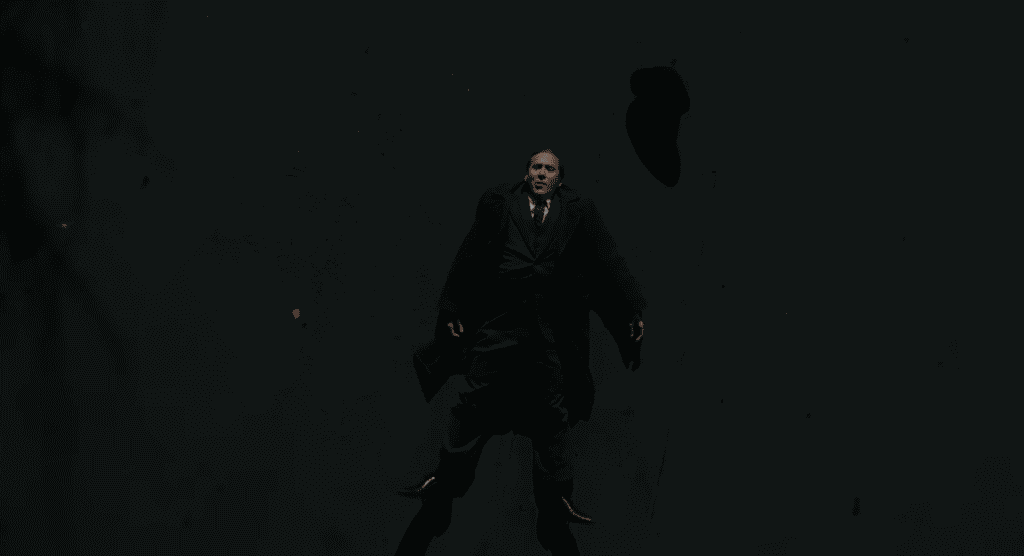
The Creative Architecture: Industry Conflicts and the Budget Feud
To fully appreciate the nuanced storytelling of this 1930s epic, the analysis must first examine the creative forces steering the production and the highly publicized drama that occurred behind the camera. The series represents a striking evolution for executive producers Phil Lord and Christopher Miller, the visionary architects behind the critically acclaimed animated Spider-Verse franchise. In 2019, the Oscar-winning duo signed a massive five-year, nine-figure television deal with Sony Pictures Television with the explicit goal of rebooting the web-slinger’s universe for the small screen.
However, translating the highly stylized aesthetic of a 1930s pulp comic into a live-action, premium streaming series proved to be a volatile and financially draining endeavor. Reports from industry insiders, notably from Puck News, indicate that the production endured a heated, protracted conflict over its massive budget. The financial strain of flawlessly recreating Depression-era New York—complete with vintage automobiles, era-accurate wardrobing, and the extensive practical and visual effects required for the super-powered antagonists—reportedly caused massive friction between the creative team and the studio executives.
The stakes for this specific show were incredibly high. Sony had previously spent two years developing a different live-action series titled Silk: Spider Society under the guidance of showrunner Angela Kang, only to scrap the project entirely in May of the previous year to divert all resources toward this Nicolas Cage vehicle. Despite pouring an estimated budget into the hundreds of millions to ensure cinematic quality, the internal friction reached a breaking point. Following the release of the series, industry reports confirmed that Sony Pictures is not expected to renew their overarching television deal with Lord and Miller, marking the end of a highly lucrative but tumultuous creative partnership. Despite these severe behind-the-scenes fractures, the resulting product on screen remains an undeniable masterclass in atmospheric world-building.
The Visual Language: True-Hue vs. Authentic Black and White
A defining characteristic that sets this series apart from any other comic book adaptation is its unprecedented dual-release strategy. The creative team meticulously crafted the episodes to be viewed in two entirely distinct color grading formats: an authentic Black-and-White version and a highly saturated, Technicolor-inspired “True-Hue” version.
This was not a simple post-production filter slapped onto the footage. To achieve the dual visual identities, on-set footage was captured digitally by cinematographers Darran Tiernan and Peter Deming, then split and processed separately using specialized techniques. The Black-and-White presentation relies heavily on German Expressionist influences—such as high-contrast lighting, harsh shadows, and disorienting Dutch angles—to ensure the visuals evoke the sinister moral abyss of classic Raymond Chandler novels and film noir staples like The Maltese Falcon.
Conversely, the “True-Hue” edition was designed to mimic the lurid, hyper-pigmented covers of 1930s pulp detective magazines and early Dick Tracy comic strips. Lead actor Nicolas Cage was heavily involved in determining this aesthetic, likening the “True-Hue” style to the famous 1942 Edward Hopper painting, Nighthawks, describing it as an illuminated, dream-like state of urban isolation.
The stark contrast between the two formats forces the audience to engage with the material on different psychological levels. The monochromatic version emphasizes the gritty, grounded realism of the detective genre, making the protagonist’s haggard face and the city’s poverty feel tactile and depressing. In contrast, the color version accentuates the fantastical, horrific elements of the superhuman mutations, allowing the crackling electricity of the villains and the grotesque body horror of the origin flashbacks to visually pop off the screen. Cage himself suggested a specific viewing strategy, recommending the colorized version for younger audiences drawn to the superhero spectacle, while reserving the grim black-and-white experience for adults seeking a pure, unadulterated noir thriller.
Comprehensive Cast and Character Dynamics
The phenomenal success of the series is inextricably linked to its elite ensemble cast. The script demands a highly specific tonal calibration, requiring the actors to oscillate seamlessly between rapid-fire, witty 1930s transatlantic dialogue and primal, visceral action. The following detailed table breaks down the primary cast, their respective characters, and their profound narrative functions within the overarching mythology.
| Actor | Character | Narrative Function and Psychological Profile |
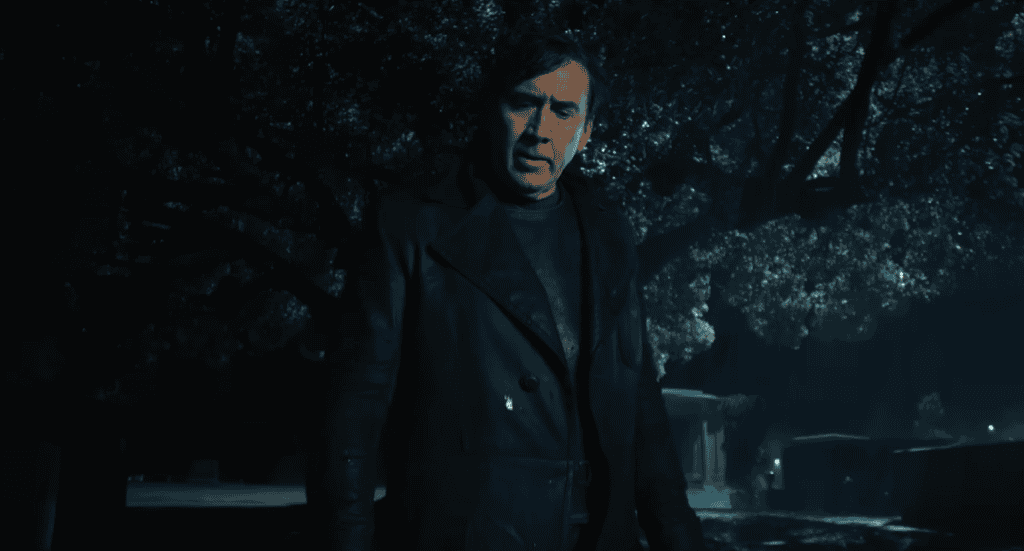
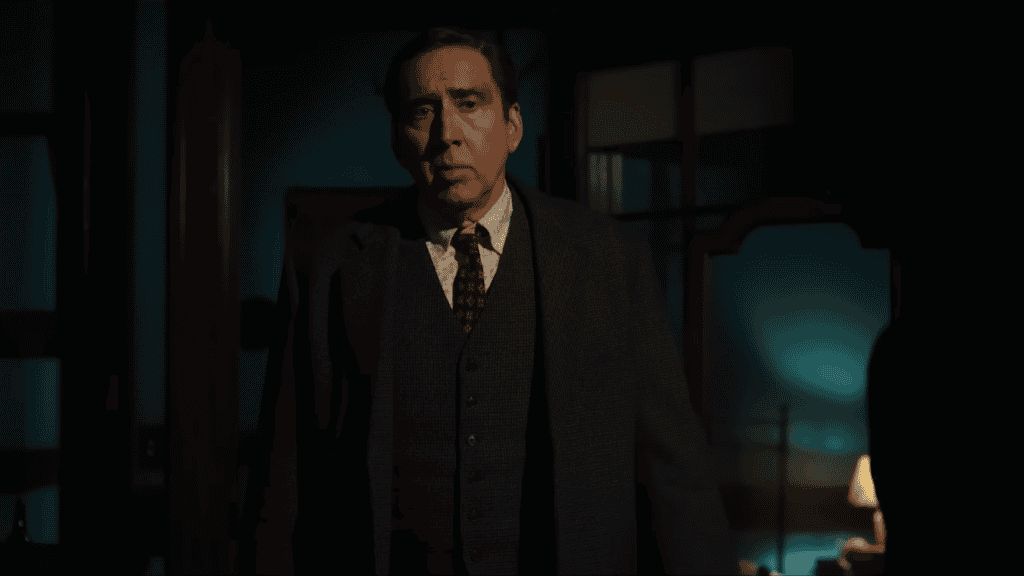
| Nicolas Cage | Ben Reilly / The Spider | An aging, deeply traumatized WWI veteran turned private investigator. Cage models his extraordinary performance on a hybrid of Humphrey Bogart’s cynical stoicism and Bugs Bunny’s manic energy. He presents a broken, alcoholic man hiding his profound grief behind rapid-fire quips, ridiculous undercover disguises, and a heavy trench coat. |
| Li Jun Li | Cat Hardy | A mesmerizing nightclub singer at The Alcove and a brilliant subversion of the classic femme fatale. Caught in a dangerous web between the city’s criminal underworld, her genuine affections for a mob enforcer, and her flirtation with the protagonist, she acts as a crucial informant and an inevitable betrayer. |
| Lamorne Morris | Joe “Robbie” Robertson | A resilient, optimistic journalist fighting systemic racial prejudice within the newsroom. He serves as the unwavering moral compass of the narrative, constantly pushing the reluctant protagonist to reclaim his heroic responsibilities and eventually risking his own life to wear the mask. |
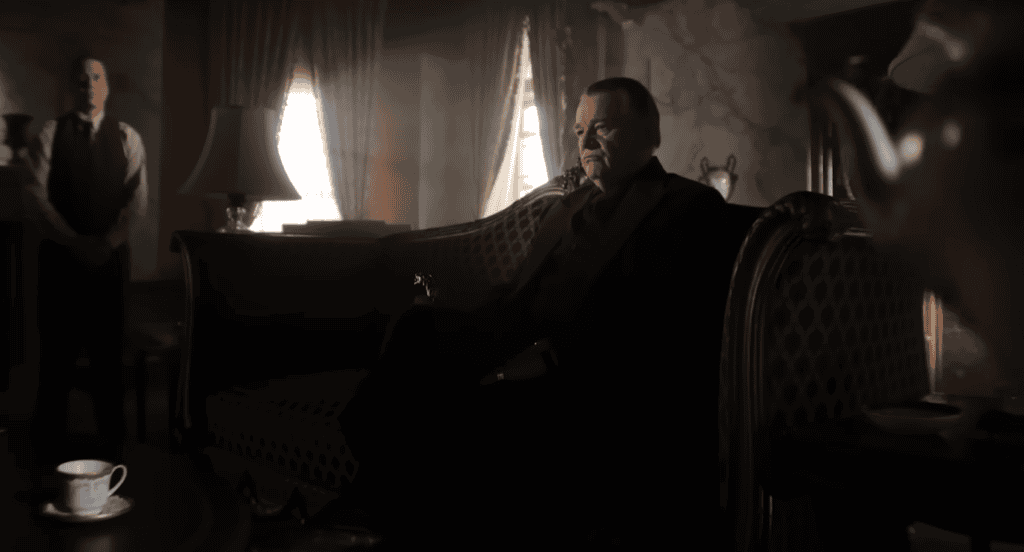
| Brendan Gleeson | Finbar “Silvermane” Byrne | An imposing Irish crime lord seeking absolute monopolistic control over New York’s emerging superhuman population. Gleeson portrays him with terrifying, effortless gravitas, calculating intellect, and a sheer physical presence that dominates every scene. |
| Jack Huston | Flint Marko / Sandman | A tragic, heartbreaking mob enforcer whose body painfully degrades into abrasive sand when emotionally compromised or physically injured. His unrequited, desperate love for Cat Hardy drives his fatalistic, doomed loyalty to the criminal underworld. |
| Abraham Popoola | Lonnie Lincoln / Tombstone | A physically impenetrable enforcer burdened by his own invulnerability. His arc deeply explores the lingering psychological trauma of his wartime experiences and the isolation that comes with being an indestructible monster in a fragile world. |
| Andrew Caldwell | Dirk Leydon / Megawatt | An aspiring, failed theater actor turned electrical conduit. He weaponizes the city’s modernizing power grid against it, serving as the most unpredictable, theatrical, and volatile antagonist who constantly misquotes Shakespeare during his violent rampages. |
| Karen Rodriguez | Janet Ruiz | The vastly underpaid but brilliant secretary of the investigative agency. She acts as the deductive backbone of the operation, armed with a hidden revolver and an unwavering ability to save her boss from his own self-destructive tendencies. |
Ben Reilly: The Tragedy of Hubris, Denial, and Legal Loopholes
Nicolas Cage’s portrayal of the protagonist—specifically named Ben Reilly here instead of the traditional Peter Parker—anchors the entire emotional weight of the series. The decision to change the character’s name was not merely a creative choice but a necessity born from incredibly complex licensing parameters dictating the live-action television rights between Sony and Marvel. Because the live-action rights to the “Peter Parker” iteration of Spider-Man are strictly guarded, the studio utilized a legal loophole by adapting the Noir universe and calling him Ben Reilly.
However, the narrative cleverly addresses this behind-the-scenes legal maneuvering within the lore. The script heavily implies that his birth name was indeed Peter Parker, but he legally changed it to Ben Reilly after returning from the horrors of the Great War. This protagonist is characterized by severe psychological burnout. His trauma stems not only from the bloody trenches of Europe but from a devastating personal failure upon his return to New York.
Years prior to the events of the series, his fiancée, Ruby, was murdered by a vengeful ex-convict whom the vigilante had previously incarcerated. The killer tied Ruby to a car and drowned her in the river. The agonizing reality that shatters the hero’s psyche is that he was not delayed by fighting crime or saving the city; he failed to save the love of his life because he was heavily intoxicated in a bar across town. This profound tragedy completely fractured his moral compass. He hung up his mask, abandoned the iconic mantra of responsibility, and retreated into a life of cheap whiskey and low-level blackmail cases. His journey throughout the eight episodes is a grueling, bloody path toward redemption, forcing him to confront his alcoholism and utilize his rusty, organic web-shooters to dismantle a rapidly escalating supernatural syndicate.
The Historical Foundation: World War I and The Grotesque Mutations
To truly comprehend the modern horrors stalking the alleys of the 1933 timeline, a rigorous analysis of the show’s historical foundation is absolutely required. The series executes a brilliant narrative pivot in its fifth episode, transporting the viewer back in time to the mud and blood of the French trenches during World War I.
The analysis reveals that the superhuman abilities possessed by the various criminals are not the result of cosmic accidents, radioactive spiders in high school laboratories, or magical amulets as depicted in the original comic books. Instead, they are the byproduct of localized, horrific scientific experimentation. German scientists, desperate to engineer an unstoppable legion of super-soldiers to win the war, subjected captured Allied troops to agonizing genetic splicing using animal DNA. The subjects were injected with the genetic material of deadly predators, including scorpions, electric eels, praying mantises, and arachnids.
When a young soldier—the man who would become Ben Reilly—led a desperate charge to liberate the medical facility, he stumbled upon a grotesque, horrifying failure of an experiment: a soldier who had mutated into a monstrous, multi-legged man-spider. In a moment of sheer body horror, the mutated creature lashed out and bit him.
While the other liberated soldiers—such as Flint Marko, Lonnie Lincoln, and Dirk Leydon—suffered degenerative, painful mutations that slowly deteriorated their bodies and shortened their lifespans, Ben’s unique physiology managed to synthesize the radioactive spider venom. The venom granted him organic webbing that shoots in dark, soot-colored strands, heightened physical agility, and a precognitive “spider-sense.” Brilliantly, the series grounds this superpower in the reality of post-traumatic stress disorder, depicting his spider-sense as a debilitating, agonizing migraine that forces him to double over in pain, mirroring the shell shock suffered by combat veterans.
The underlying thematic brilliance equates these superpower mutations to the severe physical and psychological disfigurements suffered by actual war veterans. Upon returning to America, society rejected these broken, altered men. Unable to find conventional employment or societal acceptance, they were driven into the arms of organized crime syndicates led by opportunistic, wealthy figures like Silvermane, who eagerly weaponized their trauma for profit.
Exhaustive Episode-by-Episode Narrative Analysis
The narrative structure of the series eschews the traditional villain-of-the-week superhero formula. Instead, it operates as a slow-burn, serialized detective mystery that meticulously lays its groundwork before exploding into a full-scale superhuman gang war. The following sections provide an exhaustive breakdown of the plot mechanics, character motivations, and thematic developments across all eight episodes.
Episode 1: Step Into My Office
The series commences in October 1933, painting a bleak picture of a city ravaged by the Great Depression and the final, violent days of Prohibition. Ben Reilly is introduced as a cynical, impoverished private investigator tailing a man named Jimmy Addison, a WWI veteran who possesses unstable pyrokinesis. The show immediately establishes the vulnerability of these superhumans when Addison is abruptly shot and killed by a rival, opportunistic detective looking for a quick payday.
Desperate for cash to pay his secretary, Janet, Ben accepts a sleazy blackmail case targeting Cat Hardy, a mesmerizing, sharp-tongued nightclub singer performing at The Alcove. The club is owned by the ruthless Irish crime boss Finbar “Silvermane” Byrne. As Ben investigates Cat, he is thrust into the crosshairs of Silvermane’s chief enforcer, Flint Marko. During a brutal, heavy-hitting physical confrontation in an abandoned construction site, Flint’s flesh begins to transfigure into raw, shifting sand. The premiere expertly establishes the primary conflict: the city’s organized criminal underworld is rapidly weaponizing the forgotten, mutated super-soldiers of the Great War, and a washed-up detective is the only one who notices.
Episode 2: Tread Lightly
The investigation deepens as Ben attempts to trace Flint Marko’s whereabouts following their brawl. The cinematography in this episode heavily leans into classic film noir conventions, utilizing long shadows, fog-drenched docks, and neon reflections in rain-slicked streets. Ben breaks into an apartment and discovers an old, faded military photograph from a WWI platoon. The image links Flint, the deceased pyromaniac Addison, and several other unknown individuals to the exact same military unit, confirming a massive conspiracy.
Simultaneously, Silvermane attempts to solidify his total control over the city’s bootlegging operations by brokering a massive liquor trade with Canadian smugglers under the cover of darkness. Ben, briefly donning his iconic mask and trench coat, swings into action to intercept the meeting and issue a violent warning to the crime lord. However, this impulsive vigilante intervention inadvertently ruins a massive, coordinated police sting operation secretly organized by the city’s ambitious Mayor Morris. The ensuing chaos results in a bloody shootout that claims the lives of multiple police officers. This catastrophic error forces Ben to retreat, confronting the grim reality that his actions have devastating, unintended consequences.
Episode 3: Double Cross
In a brilliant twist of fate, Silvermane, growing increasingly paranoid about a mole within his organization who tipped off the police, hires the very man who ruined the deal to find the rat: Ben Reilly. This episode operates as a masterful, self-contained detective procedural. Ben employs classic, gritty investigative tradecraft, deducing that Silvermane marks his extortion currency with specific, invisible chemical markers to trace the loyalty and movements of his lieutenants.
The forensic trail points directly to Cat Hardy. It is revealed that Cat is secretly feeding critical information to the Mayor’s office in a desperate, highly dangerous bid to earn enough legal immunity to flee the city and start a new life with Flint Marko. To protect Cat—with whom Ben is developing a complex, doomed romantic entanglement—he orchestrates an elaborate, high-stakes con to frame Silvermane’s most loyal lieutenant, Winston. The manipulation succeeds flawlessly, and Silvermane ruthlessly executes Winston on the spot. However, the moral compromise of sending an innocent (albeit criminal) man to his death weighs heavily on Ben, blurring the line between a righteous hero and a corrupt survivor.
Episode 4: A Mistake I’ll Never Make Again
The deliberate pacing of the early episodes accelerates violently with the introduction of Dirk Leydon, also known as Megawatt. An aspiring but failed theater actor driven entirely mad by his electrical mutation, Leydon launches a chaotic, highly publicized robbery in the city’s affluent Diamond District. Unlike the subtle manipulations and back-alley dealings of the mob, Megawatt is a theatrical, destructive force of nature who screams Shakespearean dialogue while generating lethal, blinding voltage.
Realizing the police are entirely outmatched, Ben is forced to suit up completely. The resulting battle is a practical, grounded, and gritty affair. Realizing he cannot possibly match Megawatt’s raw electrical power output, the Spider relies on tactical ingenuity. He systematically destroys the surrounding power lines, plunging the entire city block into darkness and forcing Leydon to expend his stored electrical reserves until he is completely powerless. The episode concludes with a breathtaking cinematic homage: Silvermane’s thugs throw Cat Hardy from a high-rise window, forcing Ben to execute a flawless, terrifying mid-air dive to rescue her using his organic webbing—a stark, triumphant contrast to his traumatic failure to save Ruby years prior.
Episode 5: Betrayal
The mid-season narrative pivot centers heavily on exposition, trauma, and origin. Over a quiet diner meal, Ben explicitly details the horrors of the French medical camp to Cat, revealing the existence of Dr. Alethea Faber, the sadistic chief scientist who originally engineered the genetic mutations.
In the present day, Robbie Robertson utilizes his relentless investigative journalism skills to track Dr. Faber to a highly classified, clandestine facility hidden deep within a Veterans Affairs hospital. While Robbie creates a loud distraction with the nursing staff, Ben infiltrates the facility. Utilizing his Bugs Bunny-inspired theatricality, Ben adopts the manic persona of a deeply unwell psychiatric patient to bypass the armed security. The investigation uncovers a horrifying truth: Dr. Faber is actively accelerating the mutations of the surviving veterans, torturing them in a twisted attempt to reverse-engineer a cure. However, the episode concludes with a devastating betrayal that shatters the protagonist. Cat Hardy, coldly prioritizing Flint Marko’s survival over her blossoming romance with Ben, betrays his trust and surrenders Ben’s true identity to Dr. Faber.
Episode 6: Nightmare on a Gurney
Captured by heavily armed guards and pumped full of experimental sedatives, Ben is strapped tightly to a surgical gurney as Dr. Faber extracts raw liver tissue directly from his body. Because Ben’s unique physiology successfully stabilized the volatile animal DNA without degrading his cellular structure, his internal organs hold the biological key to synthesizing a universal antidote. The massive doses of heavy narcotics plunge Ben into a surreal, terrifying, David Lynch-inspired hallucination. He visualizes his greatest failures, confronting drowning manifestations of Ruby, Cat swatting at him with a newspaper, and his own masked spider-identity mocking his endless cowardice.
In the waking world, Dr. Faber successfully synthesizes the antidote and immediately uses it to cure her own son, Ogden, who was suffering from rapid, agonizing cellular aging due to his exposure to the experiments. However, before they can escape, the underground facility is violently breached by Silvermane’s forces, led by the erratic and vengeful Megawatt. In a chaotic, lightning-filled skirmish, Megawatt ruthlessly electrocutes both Dr. Faber and Ogden, burning them alive. Utilizing the chaos, Ben manages to break his restraints, escaping the burning carnage and stealing the few remaining vials of the synthesized antidote.
Episode 7: Nobody’s Hero
Following Cat’s profound betrayal and the horrors of the medical facility, Ben spirals into a deep, self-destructive alcoholic depression. In what is arguably the most technically impressive sequence of the entire series, a beautifully choreographed, 90-second single-take action sequence occurs in a local pub. An intoxicated, completely unmasked Ben brutally dismantles a group of Silvermane’s heavily armed thugs who wander in looking for trouble. The sequence highlights the raw, brawler fighting style of this aging hero—eschewing the agile, acrobatic flips of traditional Spider-Men for heavy, bone-breaking practical combat, utilizing broken pint glasses and bar stools.
Janet Ruiz, observing Ben’s increasingly erratic and suicidal behavior, drops her own bombshell: she confirms she has known about his secret identity for years, having pieced it together during his drunken ramblings, silently acting as his guardian and covering his tracks. With Silvermane and the Mayor’s corrupt police force simultaneously closing in on the agency, Ben and Robbie decide to weaponize the stolen antidote. They ambush Tombstone in a dark alley. In a shocking display of brutal violence, Robbie injects the antidote directly into Tombstone’s eyeball—the only vulnerable, soft tissue on his impenetrable, rock-like body. Stripped of his mutation and writhing in pain, Tombstone experiences a moment of profound clarity, briefly aiding Ben and Robbie against the approaching police before fleeing the city forever to start a quiet life.
Episode 8: The Man in the Mask
The explosive season finale converges all remaining factions into a deadly standoff. Silvermane, holding Cat hostage at gunpoint, corners Ben and demands total capitulation and the remaining vials of the antidote. In a brilliant tactical misdirection, Robbie Robertson arrives on the scene wearing the iconic Spider-Noir trench coat, fedora, and glowing goggles, drawing the immediate gunfire and attention of Silvermane’s men. This heroic diversion buys the heavily wounded Ben the crucial seconds needed to recover his strength and flank the enemy.
The final, brutal confrontation spills out onto the rain-swept streets directly beneath the city’s elevated train tracks. Megawatt, fully consumed by his electrical power and a severe god complex, attempts to execute everyone in a massive electrical storm. Ben, relying on his environment rather than raw strength, webs a massive piece of steel debris and violently pulls Megawatt directly into the path of an oncoming, speeding subway train, brutally and instantly eliminating the theatrical threat.
Simultaneously, a desperate Flint Marko attempts to protect Cat from Silvermane’s wrath, but his degraded, crumbling sand-form is easily overpowered and dispersed. In a sequence mirroring a terrifying carnival house of mirrors, Cat Hardy refuses to be a victim. She takes matters into her own hands, firing her last remaining bullet point-blank into Silvermane’s chest, ending his reign of terror over the city.
Spider-Noir Ending Explained: The Thematic Resolutions
A proper, definitive Spider-Noir ending explained requires an in-depth analysis of the quiet, character-driven moments that follow the chaotic final battle. The climax intentionally subverts traditional, triumphant superhero expectations. Nobody is truly “saved,” and the moral victories are heavily compromised by grief and loss.
Silvermane is buried in a sparse, unceremonious funeral, signaling the end of his empire but leaving a power vacuum in the criminal underworld. At the cemetery, Cat Hardy approaches Ben one final time. In a heartbreaking exchange, she acknowledges that in a different life—perhaps a different universe entirely—they could have found genuine happiness together. However, her actions confirm her ultimate allegiance was always to survival. She bids Ben farewell and departs the city to care for the permanently damaged, incapacitated Flint Marko. This ending brilliantly solidifies Cat not as a one-dimensional villain, but as a tragic pragmatist who views the Spider’s brand of heroics as a dangerous luxury she simply cannot afford.
Robbie Robertson’s arc, conversely, reaches a triumphant and empowering conclusion. Deeply frustrated by the systemic racism, cowardice, and complicity of the Daily Bugle’s editorial board—led by the spineless Howard Walters —Robbie formally resigns from the paper. He leverages the exclusive photographic evidence he captured during the final superhuman battle to secure funding and launch his own independent newspaper, The Harlem Herald, establishing himself as a formidable, uncompromised voice for truth in a deeply corrupt city.
The final, lingering shots of the series focus on Ben Reilly’s ultimate evolution. He officially adds Janet Ruiz’s name to the frosted glass door of his investigative agency, forming the equal partnership of “Reilly & Ruiz.” In a moment of quiet, profound acceptance, Ben retrieves his signature fedora from the coat rack and steps out into the freezing December 1933 snow. He does not abandon the mantle of the Spider; instead, he finally accepts the heavy, unrelenting burden of the mask, recognizing that while the power he possesses is a curse, the responsibility to protect the vulnerable citizens of New York is an absolute, unavoidable necessity.
Hidden Secrets, Easter Eggs & Spider-Verse Connections
The analytical deconstruction of the series reveals a dense, highly rewarding layer of Easter eggs and historical references meticulously placed by the creative team to enrich the viewing experience.
1. The Multiverse Tease: The opening narration features Ben gravely stating, “Someone once asked me what universe this was”. While enthusiastic fans immediately speculated this was a direct, canonical continuation of the animated Spider-Man: Into the Spider-Verse films (where Nicolas Cage also famously voiced the character), the show operates strictly within a standalone, isolated continuity under the Sony’s Spider-Man Universe (SSU) umbrella. The line serves as a clever meta-textual nod to the audience’s expectations rather than a literal canonical link.
2. The Absence of J. Jonah Jameson: Fans expecting the classic, cigar-chomping Daily Bugle editor J. Jonah Jameson to yell for pictures of the vigilante were surprised to find the character replaced by “Howard Walters,” played by Richard Robichaux. This was a deliberate creative choice designed to distance the grim, grounded, and realistic tone of this 1930s universe from the bombastic, comedic caricatures of the mainline comic books.
3. Historical Accuracy and Shakespearean Motifs: The series accurately places its climax in December 1933, aligning perfectly with the historical, federal repeal of Prohibition, which fundamentally altered the landscape of organized crime. Furthermore, the character of Dirk Leydon (Megawatt) constantly misquotes classic literature. His theatrical final words before being struck by the subway train are pulled directly from Shakespeare’s Hamlet (“Life is but a walking shadow…”), adding a layer of tragic, theatrical irony to his brutal demise.
4. Cinematic Homages: The show is dripping with references to classic cinema. Ben Reilly frequently watches James Cagney films, directly quoting lines to practice his “human” interactions. Additionally, a movie theater marquee in the background of a pivotal scene advertises the musical Roberta starring Bob Hope, establishing perfect era-accurate world-building.
Strategic Outlook: Season 2 Theories and the World War II Era
While the narrative concludes with a deeply satisfying thematic resolution, the future of the series remains clouded by industry politics. As previously noted, the massive budget disputes between Sony Pictures and executive producers Phil Lord and Christopher Miller may complicate future production schedules.
Despite these corporate hurdles, showrunner Oren Uziel has publicly discussed the ambitious narrative trajectory for a potential second season. Uziel expressed a strong, enthusiastic desire to propel the timeline forward into the chaotic, globally destructive era of World War II. Transitioning the series into the late 1930s and 1940s would provide incredibly fertile ground to explore the terrifying rise of global fascism, the deployment of new, horrifying scientific weaponry, and the introduction of wartime villains. Uziel noted that the core structure of a private detective agency ensures infinite longevity for the character: “All it takes is a knock on the office door and a new client walks in… it gives you so much built-in conflict and drama to work with”.
The Ultimate Q&A: Answering the Internet’s Biggest Questions
To ensure this Spider-Noir ending explained is completely exhaustive, the following section synthesizes the show’s complex lore to directly answer the most pressing, highly searched questions from the audience, designed to provide immediate clarity on the show’s densest topics.
Is Spider-Noir part of the Marvel Cinematic Universe (MCU) or the animated Spider-Verse? No. The series exists in a completely standalone, alternate universe within the Sony’s Spider-Man Universe (SSU) framework. While it shares thematic similarities, noir aesthetics, and the exact same lead actor (Nicolas Cage) as the critically acclaimed animated films, it is a separate, self-contained live-action continuity.
Why is the main character named Ben Reilly instead of Peter Parker? Due to highly complex, pre-existing licensing agreements between Sony Pictures and Marvel Studios regarding live-action television rights, the series was legally prohibited from explicitly using the iconic name “Peter Parker”. The writers cleverly adapted this strict limitation by establishing “Ben Reilly” as a post-war alias chosen by the protagonist to hide his true identity after returning from combat in Europe.
What is the difference between the “True-Hue” and Black & White viewing versions? Amazon and MGM+ released the entire series in two distinct visual formats to offer different psychological experiences. The Black & White version emphasizes dramatic lighting, deep shadows, and the traditional, oppressive film noir aesthetic. The “True-Hue” version is highly colorized, hyper-saturated, and split-processed, specifically designed to mimic the lurid, primary colors of 1930s pulp comic book covers and early Technicolor films.
How did the villains get their superpowers in this universe? Unlike traditional radioactive accidents, the mutations in this universe are the result of gruesome biological warfare. During World War I, German scientists operating in a medical camp in France experimented on captured soldiers, splicing their DNA with the genetic material of deadly animals (scorpions, electric eels, spiders) in a failed attempt to create super-soldiers.
Who are the main villains featured in Season 1? The primary overarching antagonist is Finbar “Silvermane” Byrne (Brendan Gleeson), a ruthless Irish mob boss. He utilizes super-powered, mutated military veterans as his personal enforcers, including the tragic Flint Marko/Sandman (Jack Huston), the impenetrable Lonnie Lincoln/Tombstone (Abraham Popoola), and the theatrical, electric Dirk Leydon/Megawatt (Andrew Caldwell).
Will there be a Season 2 of the series? While a second season has not been officially greenlit by Amazon or MGM+ as of mid-2026, showrunner Oren Uziel has explicitly outlined plans to advance the story into the World War II era, dealing with the rise of fascism and new global threats. However, reported budget disputes between Sony and the executive producers may heavily complicate the timeline for future production.
A Good Girl’s Guide to Murder Ending Explained: Shocking Netflix Cast & Hidden Facts
You can explore the brilliant comedic audiobooks and original stories that inspire today’s biggest stand-up comedians. Start listening to thousands of hilarious, premium audiobooks for FREE today with an Audible Premium Plus trial.
Start your FREE Audible Trial and listen to the funniest stories right here.
(Disclosure: As an Amazon Associate, memoria.film may earn a commission from qualifying purchases or free trial sign-ups through this link, at no additional cost to you. This helps support our cinematic archive.)